 rss@news.abolish.capital [bot]
(FILE) Amazon Teathers. Photo: Brazilian government.
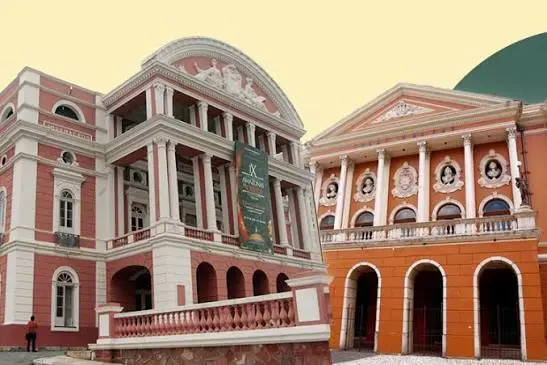
UNESCO’s World Heritage Committee decided on Monday, during its annual assembly in Busan, South Korea, to inscribe two 19th‑century opera houses – the Amazon Theatre in Manaus and Theatro da Paz in Belém – as World Heritage sites, marking the first time a cultural property from the Brazilian Amazon has been added to the list, according to the Brazilian delegation.
The architectural ensemble, built with European materials and styles, symbolises the wealth of the Belle Époque in the world’s largest rainforest.
RELATED: UNESCO Adds New Sites to Its World Heritage List
Deyvesson Israel Alves Gusmão, president of Brazil’s National Institute of Historic and Artistic Heritage, called the decision a “historic achievement” and said it recognises that the Amazon is not only a natural and environmental paradigm but also a producer of cultures, memories and identity. He stated that the site shows the world the richness of the Brazilian Amazon’s cultural diversity.
🔴 BREAKING!
New inscription on the @UNESCO #WorldHeritage List: Amazonia Theaters, #Brazil 🇧🇷.
➡ t.co/iO4B0Cjg9u #48WHC pic.twitter.com/VaDgJg8kub
— UNESCO (@UNESCO) July 27, 2026


Both theatres were constructed in the late 19th century in the region’s two largest urban centres, funded by the rubber boom, when global latex demand turned the area into a major economic hub and enabled the reproduction of European cultural and architectural refinement in the tropics.
The buildings host not only opera and theatre but also a wide variety of artistic activities, including carimbó dance, jazz and cinema.
The logistical challenge of building in an isolated jungle region – where most materials had to cross the Atlantic and sail up the Amazon River – inspired the German film ‘Fitzcarraldo’ (1982), whose protagonist dreams of constructing an opera house in the jungle.
For decades, the two venues hosted European opera companies, orchestras and artists drawn by the region’s wealth, becoming symbols of cultural exchange between the Americas and Europe in the 19th and 20th centuries, according to the UNESCO announcement.
From teleSUR English via This RSS Feed.