by Tijana Cvetković
In May, the Shared Visions consortium and friends gathered in Nikšić, Montenegro, for the Founding Assembly of our cooperative. As part of the program, we picked a name: O.U.R. COOP. Curious how and why we settled on this name? Read Tijana’s report below!
When unable to decide, suspended between possibilities, a shift is needed. Change the scenery, change the rhythm, change the rules, and the answer could appear by itself.
For months we've been trying to name the cooperative. The task was simple. A name is only a name – until it isn't. A name becomes a story, a declaration of intent, an invitation, and occasionally a burden. It carries expectations, creates associations, determines what people imagine before they know anything else about us.
The cooperative is founded by artists and cultural workers from different countries, backgrounds, languages, and experiences. We all had some name ideas. As the months passed, suggestions accumulated, some were poetic, some practical:
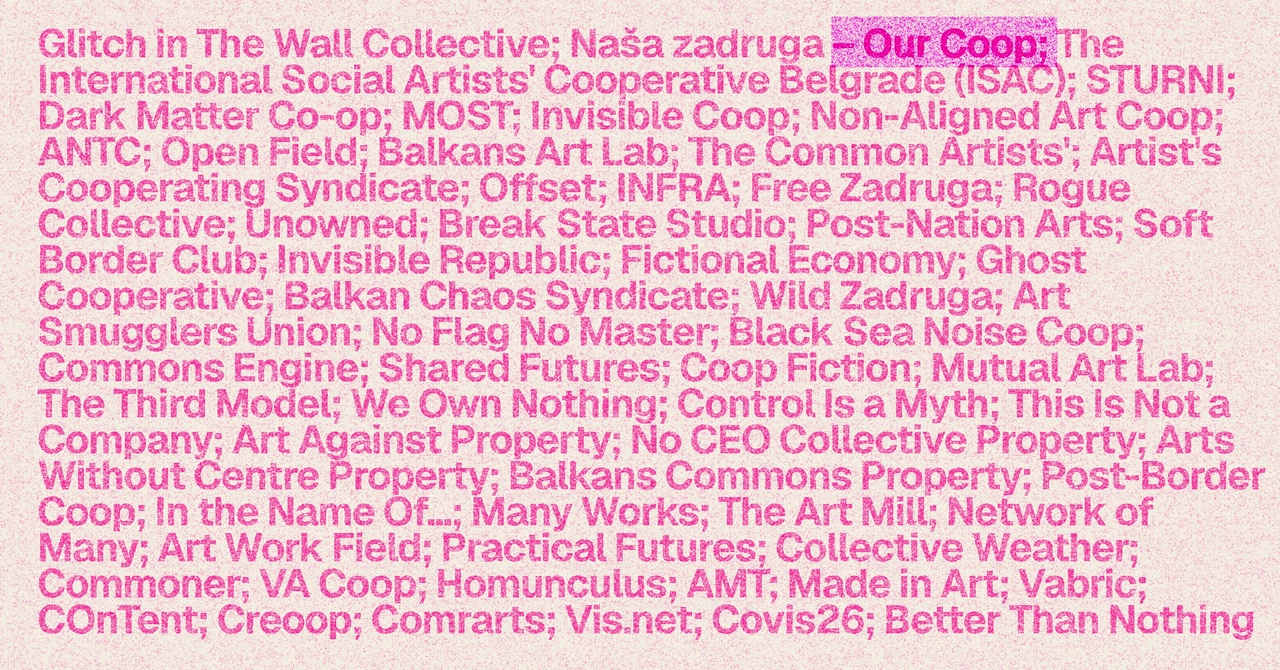
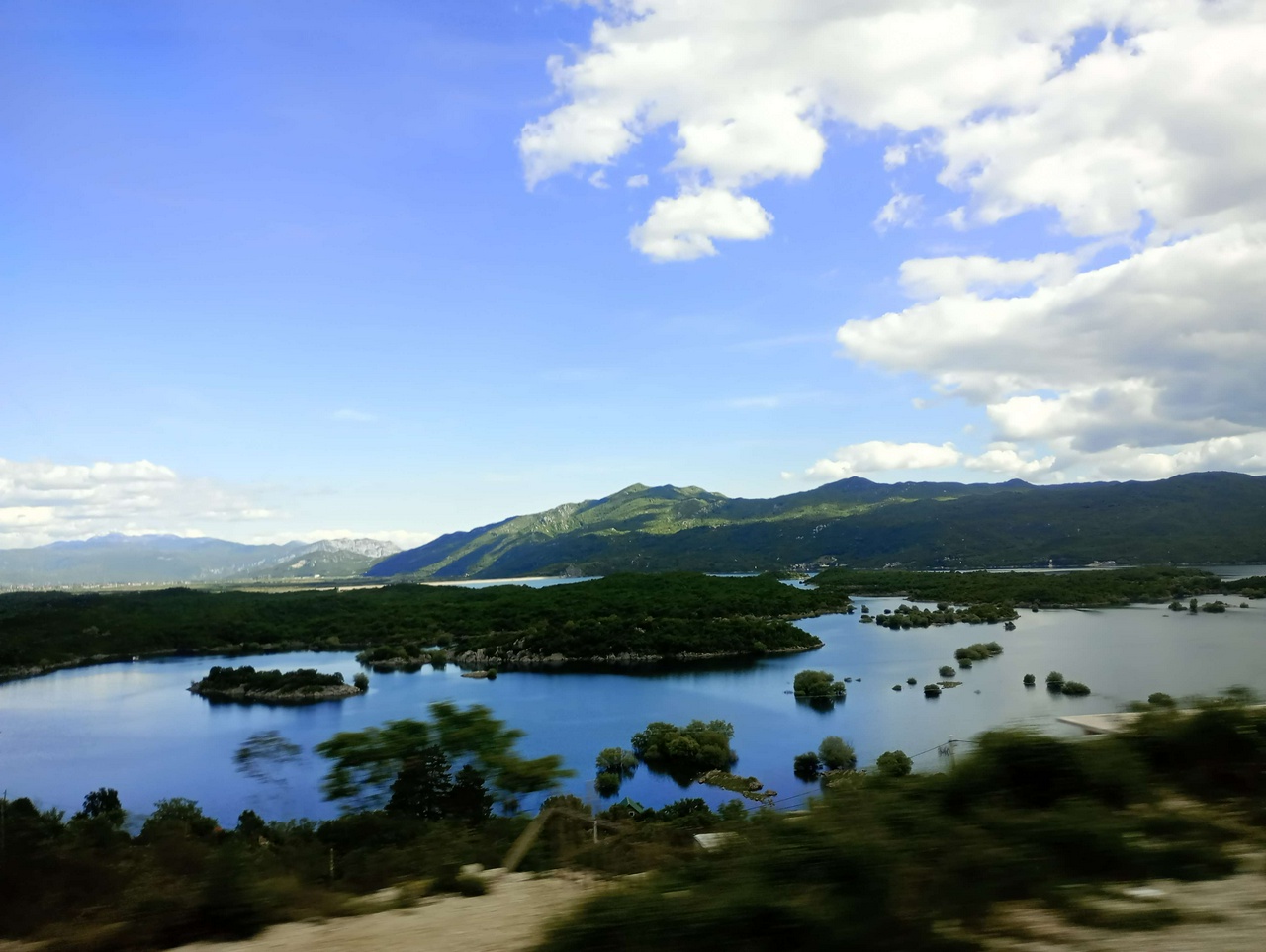
The list was long enough to suggest either a diversity of imagination or a complete inability to make a decision. Eventually, the moment arrived when the cooperative needed to be named. We had reached the point where either we would decide on a new name or remain indefinitely attached to the working title inherited from the Shared Visions project, an administrative placeholder. The problem was that the program of the Founding Assembly and 5-day in-person meeting of coop founders held in Montenegro was already full. Since no time slot was left for naming the cooperative, the decision was relocated to a place where decisions are rarely made – to a bus! A bus travelling through Montenegro on the third day of the meeting.
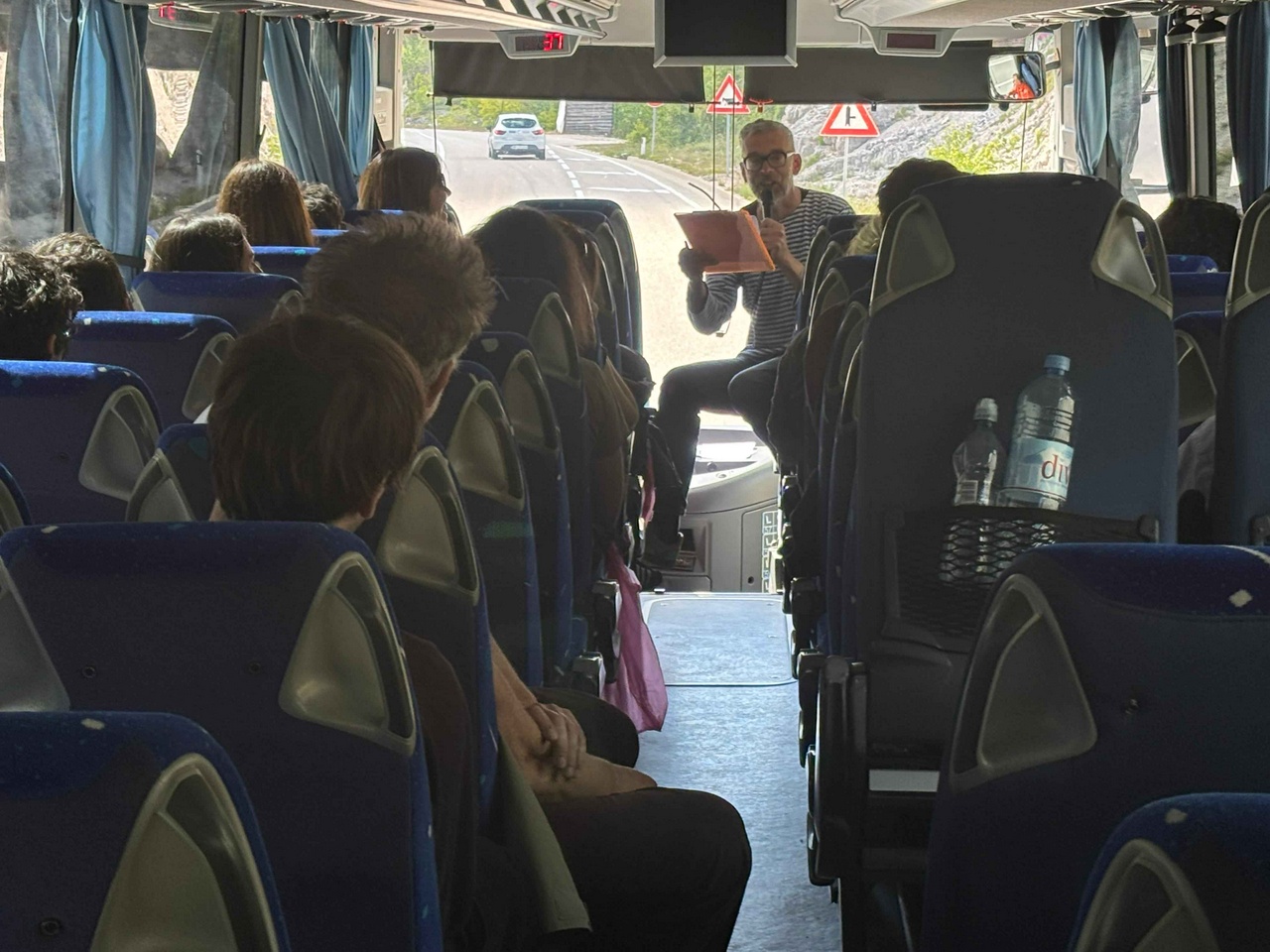
We had one hour available in total: 30 minutes from Nikšić to Grahovo, where we were having group lunch, and 30 minutes on the way back. Around 30 participants were enclosed together in a moving vehicle. A perfect environment for a social experiment. A laboratory in motion. The rules were simple. On the way to the restaurant, a sheet containing all proposed names circulated through the bus. Each participant could distribute three votes, assigning first, second, and third preference points. On the way back, a second round took place. This time we could vote only among the names that had received at least one point in the first round. By then, one proposal had already begun to separate itself from the rest by the majority of votes – OUR COOP.
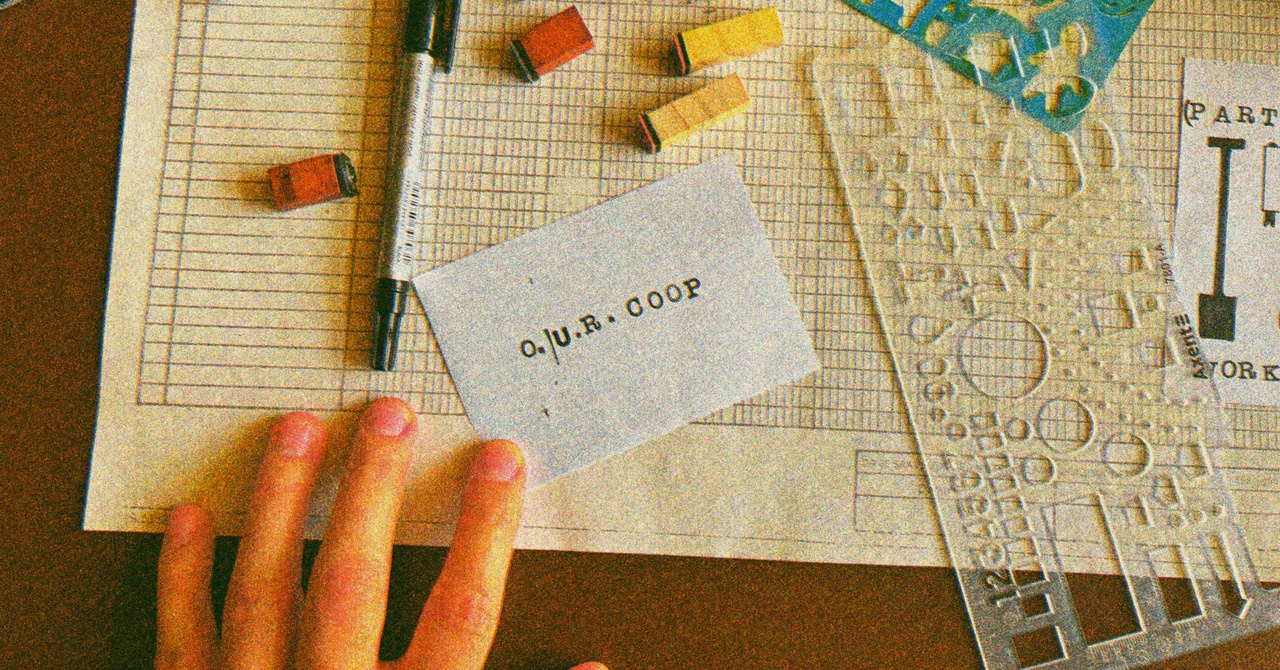
The second vote merely confirmed what had already become visible during the first. The decision was made. The cooperative will be called O.U.R. COOP – or, in its original form, NAŠA ZADRUGA, but with a twist hidden inside the name. The proposal originally emerged in BHS as NAŠA ZADRUGA, literally meaning Our Cooperative. When translated into English (the common language of our international cooperative) it naturally became OUR COOP. What happens if, instead of reading “OUR” as an English word, we read it as an acronym in BHS? Then it has additional meaning O.U.R. – Organizacija Udruženog Rada, translated into English: Organisation of Associated Labour. The acronym unexpectedly connects the cooperative to the Yugoslav legacy of self-management socialism. An O.U.R. was a basic organisational unit in which workers in all areas, including culture, collectively managed production, governance, and the distribution of resources. Rather than operating through a conventional top-down corporate structure, these organisations were intended to be governed by their workers.
Whether by coincidence or not, the name carries several layers: shared ownership among its members, a reminder of the self-management legacy, and a bridge between local histories and international collaboration.
What remains is not simply a name but a question of how a collective comes into being. Not through a single act of foundation, but through a succession of encounters, decisions, reflections, and shared efforts. The bus eventually stopped. The Montenegro meeting ended. The cooperative got the name. Yet none of these marked a final form. Any living collective or organisation continues to exist only in motion between what it has inherited and what it will become.
What matters is not the point of departure or arrival, but the capacity to keep working together!