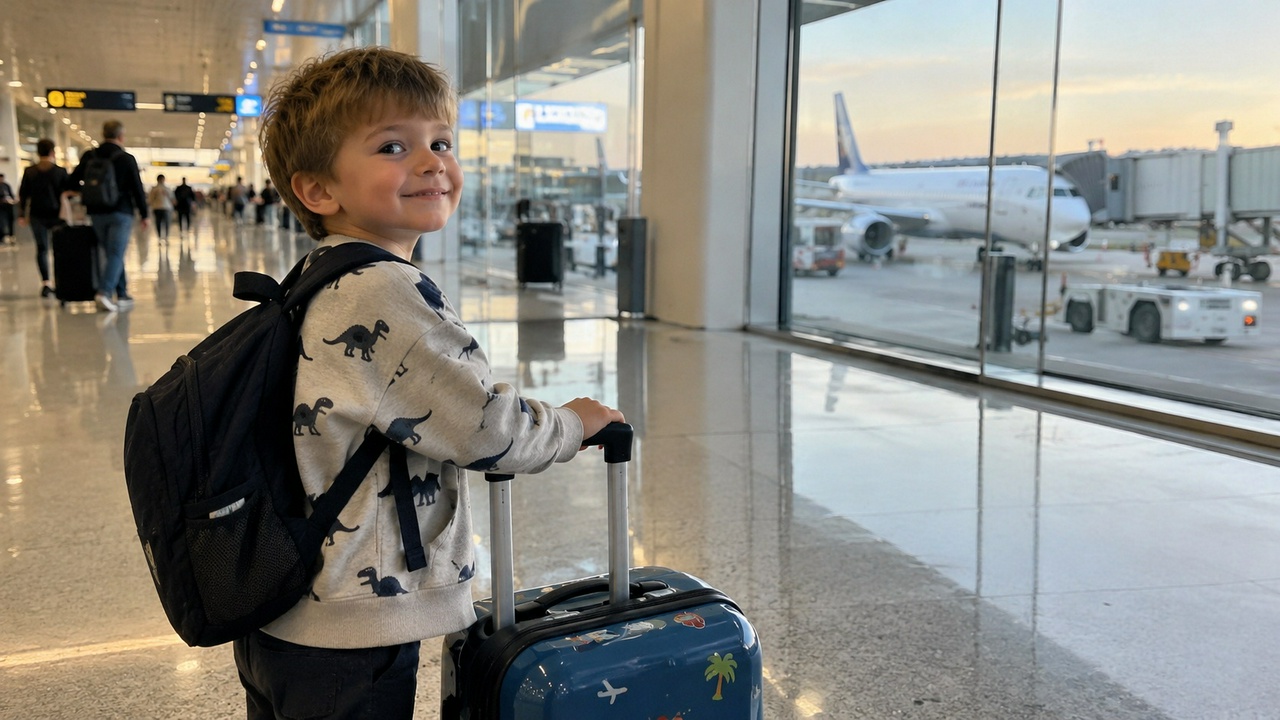
Traveling with kids can be one of the most rewarding experiences for a family. Exploring new destinations, discovering different cultures, and spending quality time together can create memories that last a lifetime. However, family travel also comes with unique challenges, from keeping children entertained during long journeys to maintaining familiar routines in unfamiliar places.
With thoughtful planning, flexibility, and a positive attitude, traveling with children can become an enjoyable adventure for everyone. Whether you're planning a weekend getaway, a beach vacation, or an international trip, these practical tips can help make your family travels smoother and more memorable.
Plan ahead for a smoother journey
Preparation is one of the most important aspects of traveling with kids. While spontaneous adventures can be exciting, having a basic plan helps prevent unnecessary stress and makes the experience more comfortable for the entire family.
Start by choosing a destination that offers activities suitable for your children's ages and interests. Family-friendly resorts, nature parks, beaches, and cities with interactive museums are often excellent options.
When booking accommodations, consider properties that provide convenient amenities such as kitchenettes, laundry facilities, swimming pools, and spacious family rooms. Having access to these comforts can make a significant difference, especially when traveling with younger children.
It's also helpful to research local transportation, nearby restaurants, and medical facilities before departure. Knowing what to expect allows you to focus more on enjoying the journey and less on solving unexpected problems.
Pack smart and keep essentials accessible
Packing for children requires a balance between bringing necessary items and avoiding excessive luggage. The goal is to have everything your family needs without making transportation unnecessarily complicated.
Start with essentials such as comfortable clothing, toiletries, medications, snacks, and weather-appropriate accessories. If you're traveling with babies or toddlers, remember to include diapers, wipes, extra outfits, and familiar comfort items.
Consider preparing a separate travel bag with items your children may need during flights, train rides, or long car journeys. This bag can include coloring books, small toys, headphones, healthy snacks, and a reusable water bottle.
A favorite stuffed animal or blanket can also provide reassurance in unfamiliar environments. These familiar objects can help children feel more secure, particularly during overnight stays away from home.
Keep children entertained during the journey
Long travel days can be challenging for children, especially when they have limited opportunities to move around. Planning a variety of entertainment options can help prevent boredom and reduce frustration.
Interactive games, puzzles, audiobooks, and activity books are excellent ways to keep children engaged. For younger kids, simple games such as spotting different-colored cars or identifying objects outside the window can turn travel time into a fun experience.
Digital entertainment can also be useful, particularly during long flights or unexpected delays. Download movies, educational games, and children's podcasts before leaving home so they remain accessible without an internet connection.
However, it's worth balancing screen time with other activities that encourage creativity and interaction. Storytelling, drawing, and family conversations can make the journey itself an enjoyable part of the vacation.
Maintain familiar routines whenever possible
One of the biggest challenges of traveling with kids is managing changes in their daily routines. New environments, unfamiliar foods, and irregular schedules can sometimes lead to tiredness or irritability.
Although vacations naturally involve flexibility, maintaining a few familiar habits can help children feel more comfortable.
Try to keep regular meal times and allow enough opportunities for rest. If your children usually take afternoon naps, consider scheduling sightseeing activities around those breaks whenever possible.
Bedtime routines are particularly important for younger travelers. Reading or listening to bedtime stories for kids before sleep can create a calming atmosphere and provide a sense of familiarity, even in a hotel room or vacation rental.
Bringing along a favorite book or downloading familiar stories can help children relax after an exciting day of exploration. Small rituals like these can make unfamiliar sleeping environments feel more welcoming and secure.
Choose activities that everyone can enjoy
A successful family vacation should include experiences that appeal to both children and adults. While it may be tempting to fill your itinerary with famous attractions, younger travelers often enjoy simple activities just as much.
Visiting playgrounds, exploring local parks, spending time at the beach, or enjoying a picnic can provide opportunities for children to play and recharge.
Interactive museums, wildlife experiences, and guided family tours can also make learning about new destinations exciting and accessible.
When planning daily activities, avoid scheduling too many attractions in a single day. Children often need more breaks than adults, and an overly packed itinerary can quickly become exhausting.
Instead, focus on a few meaningful experiences and leave room for spontaneous discoveries. Sometimes, the most memorable vacation moments happen when families slow down and enjoy their surroundings together.
Encourage kids to participate in travel planning
Involving children in the planning process can make them feel more excited and invested in the upcoming adventure.
Depending on their age, children can help choose activities, research attractions, or decide which places they would like to visit.
For example, you might show younger children pictures of your destination and ask which experiences interest them most. Older kids can take on greater responsibilities, such as helping create a daily itinerary or researching local traditions.
Giving children a voice in travel decisions can increase their enthusiasm and encourage a sense of responsibility.
It also provides an opportunity to teach valuable life skills, including planning, decision-making, and adapting to new situations.
Be flexible and expect the unexpected
Even the most carefully planned family vacation may involve unexpected challenges. Flights can be delayed, weather conditions may change, and children can become tired or overwhelmed at inconvenient moments.
Rather than trying to control every detail, approach family travel with a flexible mindset.
If your child needs a break, consider adjusting your plans instead of pushing through a busy schedule. An afternoon spent relaxing by the pool may be more enjoyable than rushing between crowded tourist attractions.
Keeping realistic expectations is essential. Traveling with children often means moving at a slower pace, but that doesn't make the experience any less rewarding.
In fact, children frequently notice small details that adults overlook, bringing fresh perspectives and unexpected moments of joy to the journey.
Prioritize health and safety
Keeping children healthy and safe is an essential part of planning any family trip.
Before traveling, check whether your destination requires specific vaccinations or health precautions. Pack any necessary medications and basic first-aid supplies, and make sure important medical information is easily accessible.
When exploring busy destinations, establish simple safety rules with your children. Explain what they should do if they become separated from the family, and identify safe meeting points when appropriate.
For younger children, consider using identification bracelets containing a parent's contact information.
It's also important to stay hydrated, use appropriate sun protection, and dress children comfortably for the weather and planned activities.
Taking these precautions can help families explore new environments with greater confidence.
Turn travel into a learning experience
Traveling offers children valuable opportunities to learn about the world beyond their everyday surroundings.
Experiencing different languages, foods, customs, and landscapes can encourage curiosity and help children develop an appreciation for cultural diversity.
Encourage your kids to try local dishes, learn a few words in another language, or participate in traditional activities.
You can also turn sightseeing into an educational adventure by sharing interesting facts about historical landmarks, wildlife, or local geography.
Consider giving older children a travel journal where they can record their experiences, draw pictures, or collect small souvenirs such as postcards and ticket stubs.
These activities can help children reflect on their adventures and preserve meaningful memories.
Create lasting family memories
The greatest benefit of traveling with kids is the opportunity to strengthen family connections through shared experiences.
Away from everyday responsibilities and familiar routines, families have more time to talk, laugh, explore, and discover new things together.
Taking photographs and recording short videos can help preserve special moments, but remember to spend time enjoying experiences without constantly looking through a camera.
Simple traditions, such as trying a new dessert in every destination or taking a family photo at a memorable location, can add a personal touch to your adventures.
As children grow older, these shared travel experiences often become cherished family stories that everyone enjoys remembering.
Make every family trip an adventure
Traveling with kids may require additional patience, preparation, and flexibility, but the rewards are worth the effort. Every journey provides opportunities for discovery, learning, and meaningful family bonding.
By choosing suitable destinations, maintaining comforting routines, preparing engaging activities, and allowing time for rest, families can reduce travel-related stress and focus on creating positive experiences.
The secret to successful family travel isn't having a perfect itinerary or visiting every famous attraction. It's about embracing the journey, appreciating small moments, and enjoying the opportunity to explore the world together.
With the right approach, even the simplest family getaway can become an unforgettable adventure filled with laughter, discovery, and lasting memories.