I finished reading Pixie by Jill Dawson on Sunday. The book’s eye-catching cover first snagged my attention from a bookshop shelf back in May. It’s an historical novel based on the life of the artist, illustrator & writer Pamela Colman Smith, best remembered for designing the famous Rider-Waite tarot card deck. It follows Smith from Jamaica (which she leaves following the death of her mother), via Brooklyn, to London, where, at length, she finds a precarious foothold in the city’s theatrical and bohemian circles. According to the novel, it was one of Smith’s first and most notable theatrical friends — the actress Dame Ellen Terry — who bestowed the nickname Pixie on her.
For me this was a book that had something of the ‘biopic’ about it: a series of vignettes from the subject’s rise to modest fame, with cameo appearances from all the notable names she encountered along the way. While not terribly deep or daring, it’s an enjoyable story of an unconventional character in an interesting milieu. While Smith was undoubtedly ahead of her time in some respects, I did I wonder now & then if Dawson might have been projecting a little too much of the present into her Edwardian setting. And the Rider-Waite tarot commission is presented as a culmination of Smith’s work, when it could just as easily have been just another job for her (albeit a substantial one). It would have been interesting, moreover, to read something about the artist’s subsequent conversion to Catholicism & her later support for women’s suffrage. Then again, further extending the story may have bent the narrative too awkwardly out of shape. Dawson did succeed, I think, in making something coherent and engaging out of the patchily documented facts of Smith’s biography.
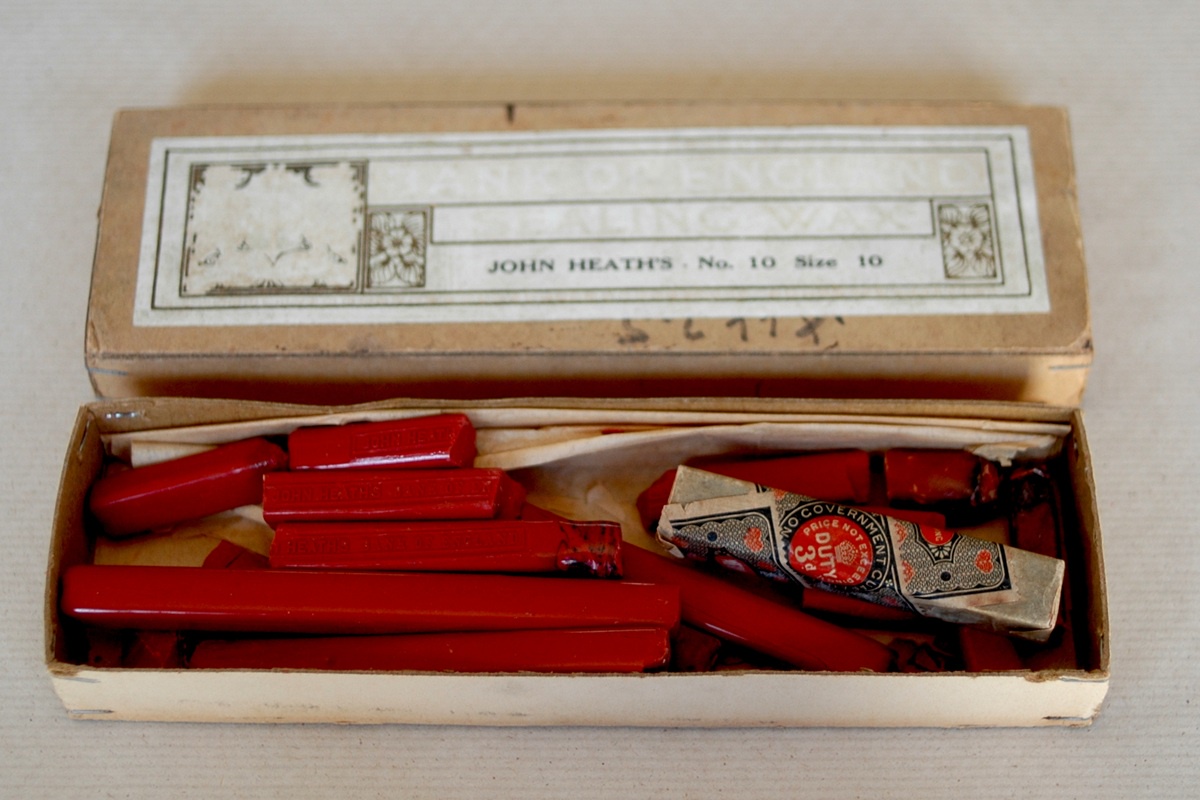
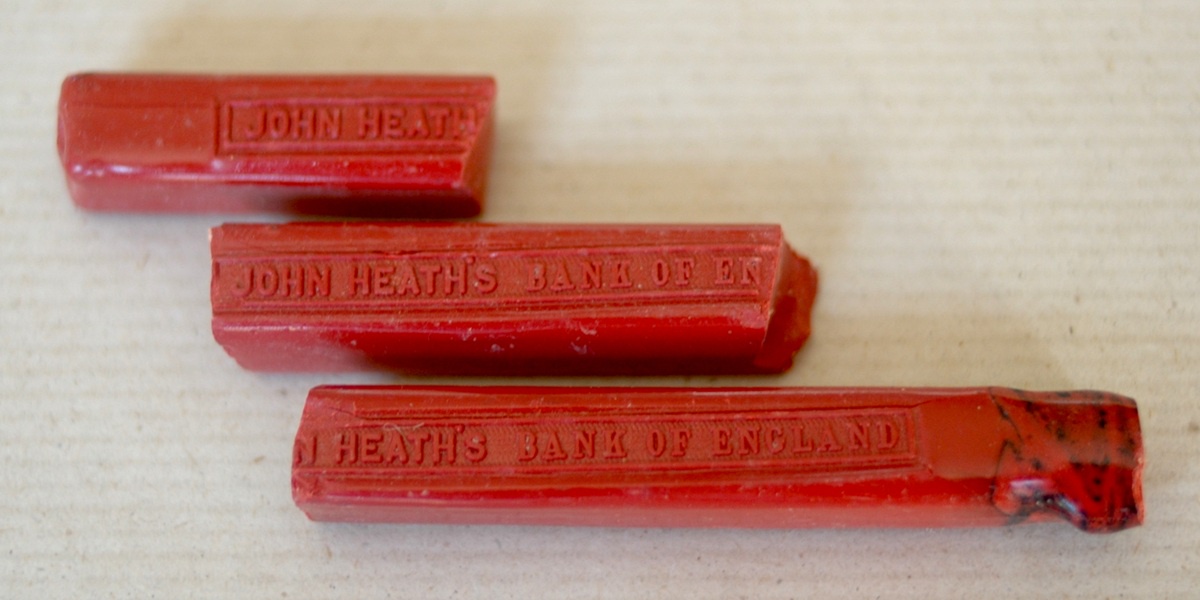
A recent stationery acquisition: a quantity of old sealing wax (Fig. 33), namely John Heath’s Bank of England sealing wax (Fig. 34). I own a couple of seals but would like to find some better ones before I use this stuff in earnest. And I’ll need to practice melting and dripping the wax, after making a some ham-fisted initial attempts.
My collection of vocal jazz/pop recordings of the ‘50s and ‘60s has been augmented with the recent purchase of Ernestine Anderson’s 1960 album My Kinda Swing. My copy is a budget re-issue from ‘64 on the Wing record label – a subsidiary of Mercury Records – which omits two of the twelve tracks included on the original U.S. release. On the rear of its sleeve are a variety of other re-issue releases on Wing including the likes of Muggsy Spanier and his Dixie Land Band; Dick Contino’s An Accordion in Paris; and Music for Polka Lovers by Lawrence Welk.
My Kinda Swing the fourth of five albums Anderson made in rapid succession for Mercury. Later in the ‘60s her recording career stalled as fashions changed, only to blossom anew from the late ‘70s onwards. I’d hitherto only heard Anderson via YouTube, so it’s a delight to finally listen to her on well-recorded, well-pressed vinyl, accompanied by such expert musicians as Clark Terry, Hank Jones, Yusef Lateef, and Kenny Burrell. Among the tracks I particularly enjoyed at first hearing was her brief but beautifully languid take on ‘Moonlight in Vermont’.